Combinations of Tile Colors
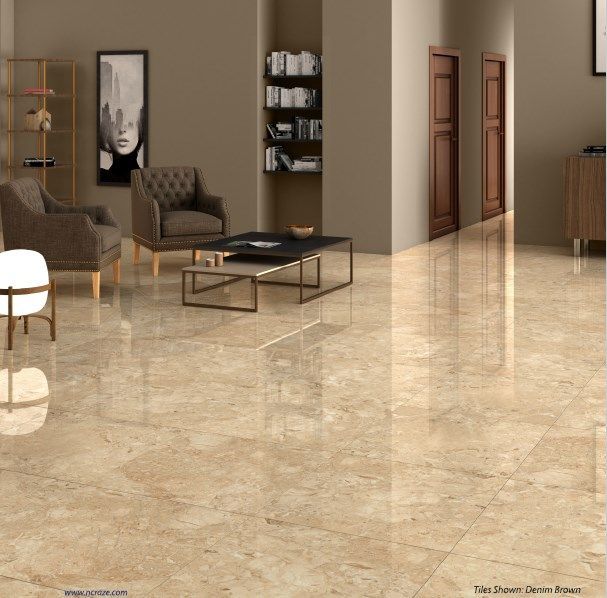
Combinations of Tile Colors That Expand the Appearance of Small Homes
Living in a small home does not mean you have to sacrifice comfort, elegance, or personal style. In fact, with smart design choices, even compact spaces can feel open, airy, and visually larger than they actually are. One of the most powerful and often underestimated tools in interior design is the right tile color combination.
Tiles cover a significant portion of a home’s visual surface—both floors and walls—making them a key element in shaping how spacious or cramped a room feels. The correct use of tile color, finish, and layout can dramatically enhance the perceived size of a space.
At Ceramic Home, we frequently see how the right tiles can completely transform the look and feel of small houses and apartments. In this guide, we explore the best tile color combinations that make small homes look bigger, along with expert layout tips and common mistakes to avoid.
The Importance of Tile Color in Small Homes
Tile color plays a crucial role in interior design, especially in compact houses and apartments. Because tiles dominate both walls and floors, their color directly affects:
- Light reflection
- Visual depth
- Continuity between rooms
Light-colored and well-coordinated tiles reflect more light, reducing visual breaks and making rooms feel larger and more open. On the other hand, dark or high-contrast tile combinations, when used incorrectly, can visually shrink a space.
Choosing the right ceramic tiles for small homes is not just about beauty—it’s about spatial perception.
1. White and Soft Beige: The Ultimate Space-Enhancing Tile Combination
White and soft beige is one of the most classic and reliable tile color combinations for small homes.
Why this combination works
- White reflects maximum natural and artificial light
- Beige adds warmth without visual heaviness
- Creates a clean, seamless, and uncluttered appearance
Best areas to use
- Living rooms
- Bedrooms
- Open-plan apartments
Pro tip: Use white floor tiles with soft beige wall tiles—or vice versa—to introduce subtle contrast while maintaining visual continuity.
This combination is especially popular in small house tile design because it feels timeless, bright, and adaptable to any décor style.
2. White and Light Grey: Modern, Minimal, and Airy
For homeowners who love a contemporary look, white and light grey tiles are an excellent choice.
Why this combination works
- Light grey adds depth without darkening the space
- White maintains brightness and openness
- Achieves a perfect balance between modern and minimalist design
Ideal for
- Compact living rooms
- Small kitchens
- Bathrooms and toilets
Choose matte light-grey floor tiles with white wall tiles to create a crisp, spacious, and elegant atmosphere. This pairing is widely used in modern apartments and works beautifully with metallic or wooden accents.
3. Cream and Ivory: Warmth Without Visual Clutter
If you want your home to feel cozy yet spacious, cream and ivory tiles are a perfect solution.
Why this combination works
- Soft, continuous tones reduce visual interruptions
- Warmer than pure white
- Enhances both daylight and artificial lighting
Best used in
- Bedrooms
- Dining areas
- Studio apartments
Cream and ivory tiles pair exceptionally well with wooden furniture, soft lighting, and neutral fabrics, making them a popular choice for elegant yet compact interiors.
4. Glossy White with Pastel Accents: Bright and Playful
Glossy tiles are a hidden weapon when designing small spaces.
Why this combination works
- Glossy finishes reflect light and create depth
- Pastel colors add personality without overwhelming the space
- Makes rooms feel lively yet open
Trending pastel accent colors
- Powder blue
- Mint green
- Blush pink
Use pastel tiles on a single feature wall and glossy white tiles across the remaining walls or floor. This keeps the space visually open while adding charm and character.
5. Light Wood-Look Tiles with White: Cozy Yet Spacious
Love the warmth of wood but worried it might make your home look smaller? Light wood-look ceramic or porcelain tiles are the perfect alternative.
Why it works
- Natural wood texture without dark tones
- White walls amplify brightness
- Creates a cozy yet airy atmosphere
Best used in
- Living rooms
- Bedrooms
- Scandinavian or minimalist-style homes
Design tip: Choose plank-style tiles laid lengthwise to visually stretch the room, making it appear longer and wider.
6. Beige and Light Grey: Subtle Contrast That Expands Space
This underrated tile color combination is ideal for homeowners who want elegance without strong contrasts.
Why it works
- Gentle transition between tones
- Maintains consistency across rooms
- Perfect for open floor plans
Use beige tiles in main living areas and light grey tiles in kitchens or bathrooms for subtle zoning without breaking visual flow.
7. Monochromatic Tile Designs: One Color, Multiple Shades
Using multiple shades of the same color can make a small home feel unified and spacious.
Best colors for monochrome tiles
- White
- Beige
- Light grey
Example
- Light grey floor tiles
- Slightly darker grey wall tiles
This approach adds depth while preserving continuity, making it ideal for small apartments and compact homes.
Tile Layout Tips That Visually Enlarge Small Homes
Tile color alone is not enough—layout plays an equally important role.
✔ Choose Large-Format Tiles
Fewer grout lines create a cleaner look and make spaces feel bigger.
✔ Use Diagonal or Horizontal Layouts
Diagonal floor tiles trick the eye into perceiving more space.
✔ Match Floor Tiles Across Rooms
Using the same tiles throughout the home enhances continuity.
✔ Select Light-Colored Grout
Dark grout creates grid lines that visually shrink rooms.
Common Tile Color Mistakes to Avoid in Small Homes
❌ Too many contrasting colors
❌ Dark tiles in poorly lit rooms
❌ Overly busy patterns everywhere
❌ Different tile colors for every room
Keep your design light, simple, and consistent for the best results.
Conclusion
When chosen wisely, tile color combinations can completely transform small homes, making them appear brighter, bigger, and more welcoming. Light shades, soft contrasts, glossy finishes, and smart layouts work together to create the illusion of space—without structural changes.
At Ceramic Home, we always recommend thinking long-term. Timeless, neutral tile combinations not only enhance spatial perception but also age beautifully and remain stylish for years.
A small home can still make a big impression—the magic lies in choosing the right tiles